Plant and Animal Species to Know In Willamette Valley Ecology

Some Sweet Native Species Found at the Trust’s Conservation Sites
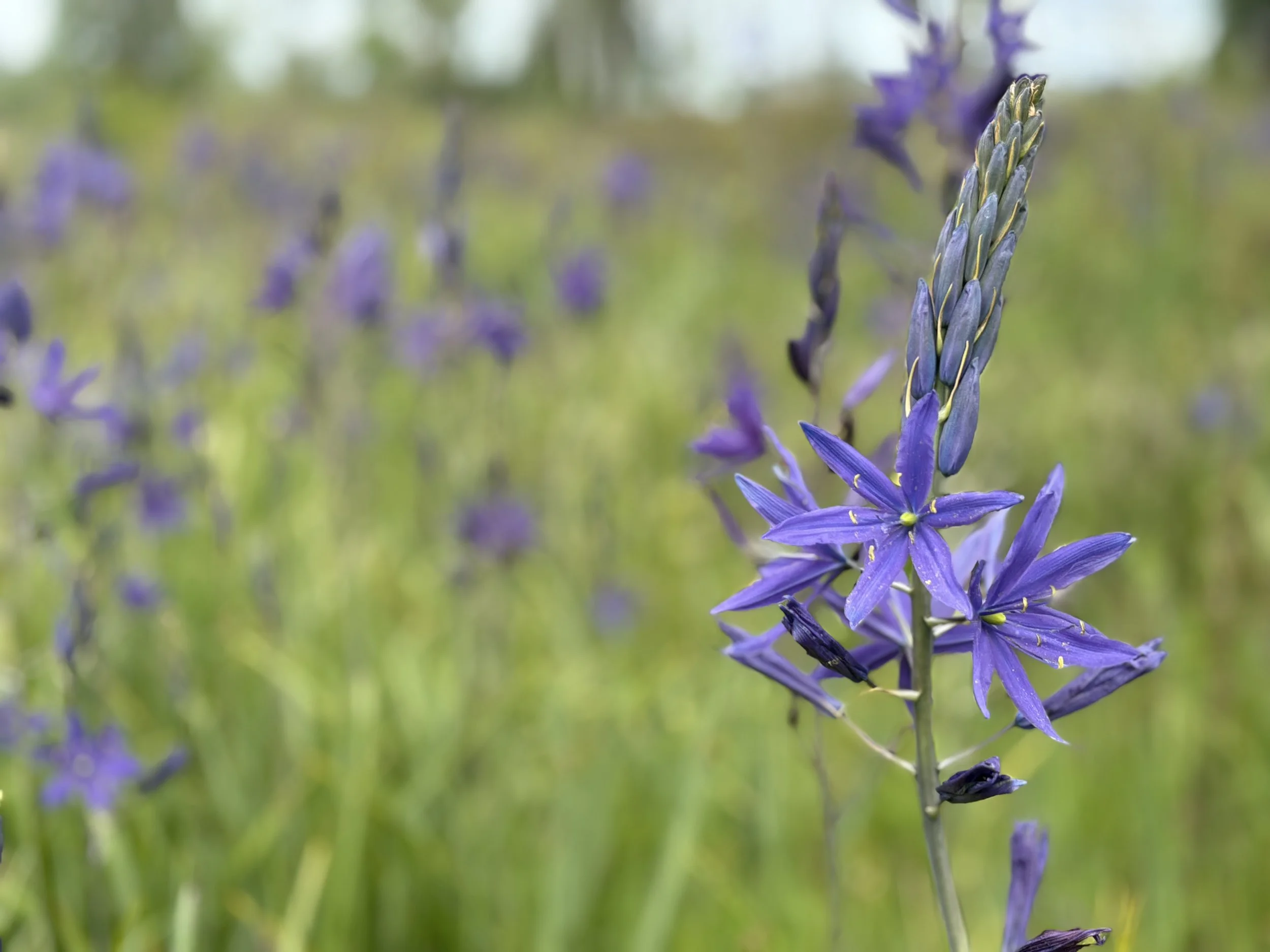
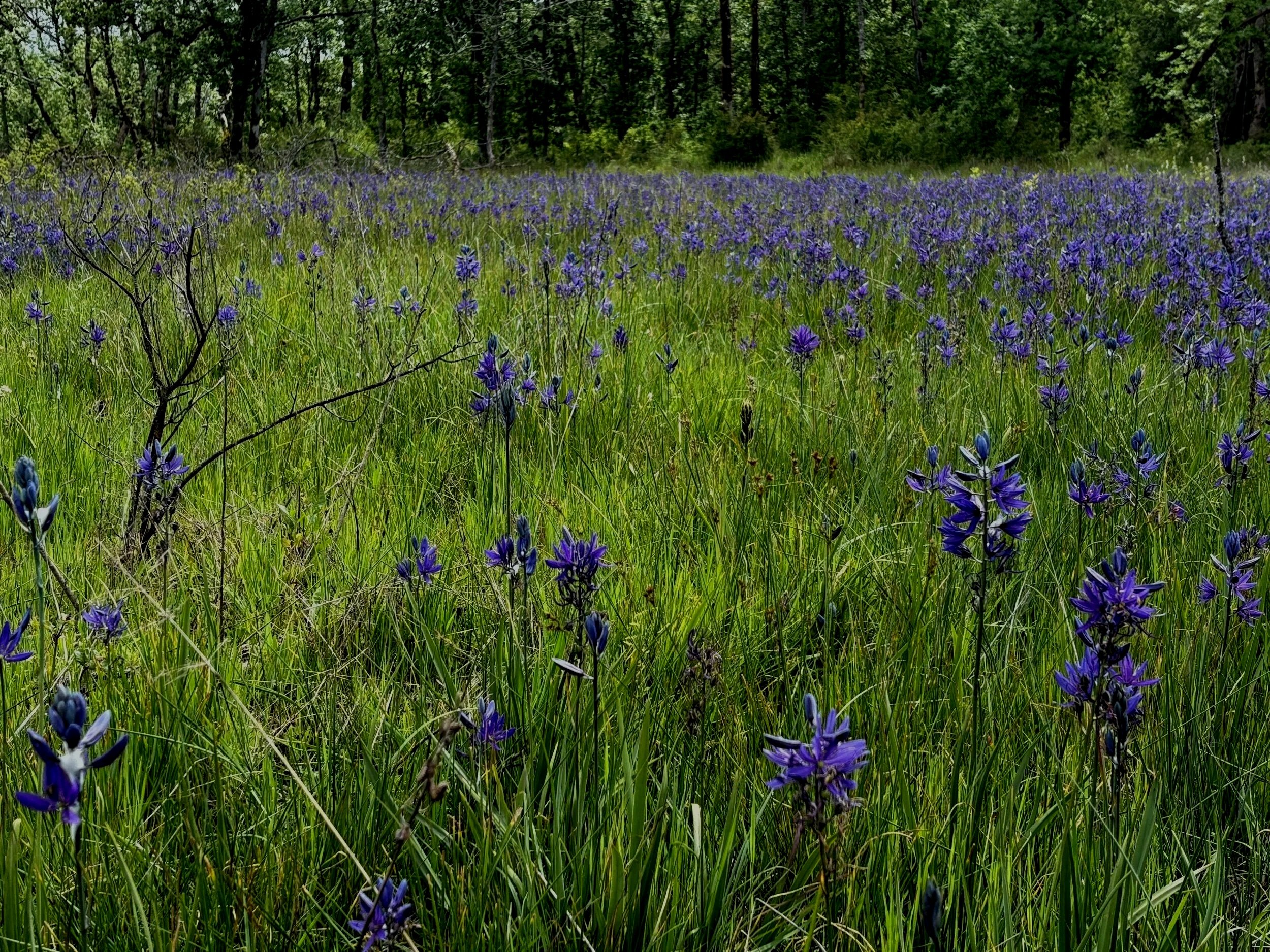
Giant Camas (Camassia leichtlinii). This native camas can be found regularly throughout the valley, though it tends to be found in slightly drier sites in comparison with Common camas. Giant camas tends to be taller than common camas, and its flower petals have an even arrangement. It was also a staple food source for native peoples.

Bradshaw’s lomatium (Lomatium bradshawii) - This wildflower is very scarce, and in fact is only found in a few places in the whole Willamette Valley. It was removed from the Endangered Species List in 2021, but could be placed on it again given significant habitat destruction in SW Washington State. It is found on two Trust sites.

Willamette Valley Bittercress (Cardamine penduliflora) This sweet wildflower is an early arrival as well, and can be found just prior to the blooms of Common camas, and Bradshaw’s lomatium in April in the mid Willamette Valley.

Western Buttercup (Rannanculus occidentalis) This is a relatively common early blooming wildflower that can be found in meadow, and wet prairie habitat in the Willamette Valley.

Blue-eyed grass (Sisyrinchium idahoense) This gorgeous flower is generally found in single blooms, just a few inches above the ground typically intermixed in other grasses and flowers.

Slender leaf cinqufoil - (Potentilla gracilis) This native flower rises from groupings of leaves that have a serrated appearance. Their yellow flowers are gorgeous and they can spread across portions of fields in June and July.

Meadow checkerallow (Sidalcea campestris). This sweet flower appears in May and often into July and can be widespread in meadow habitat.
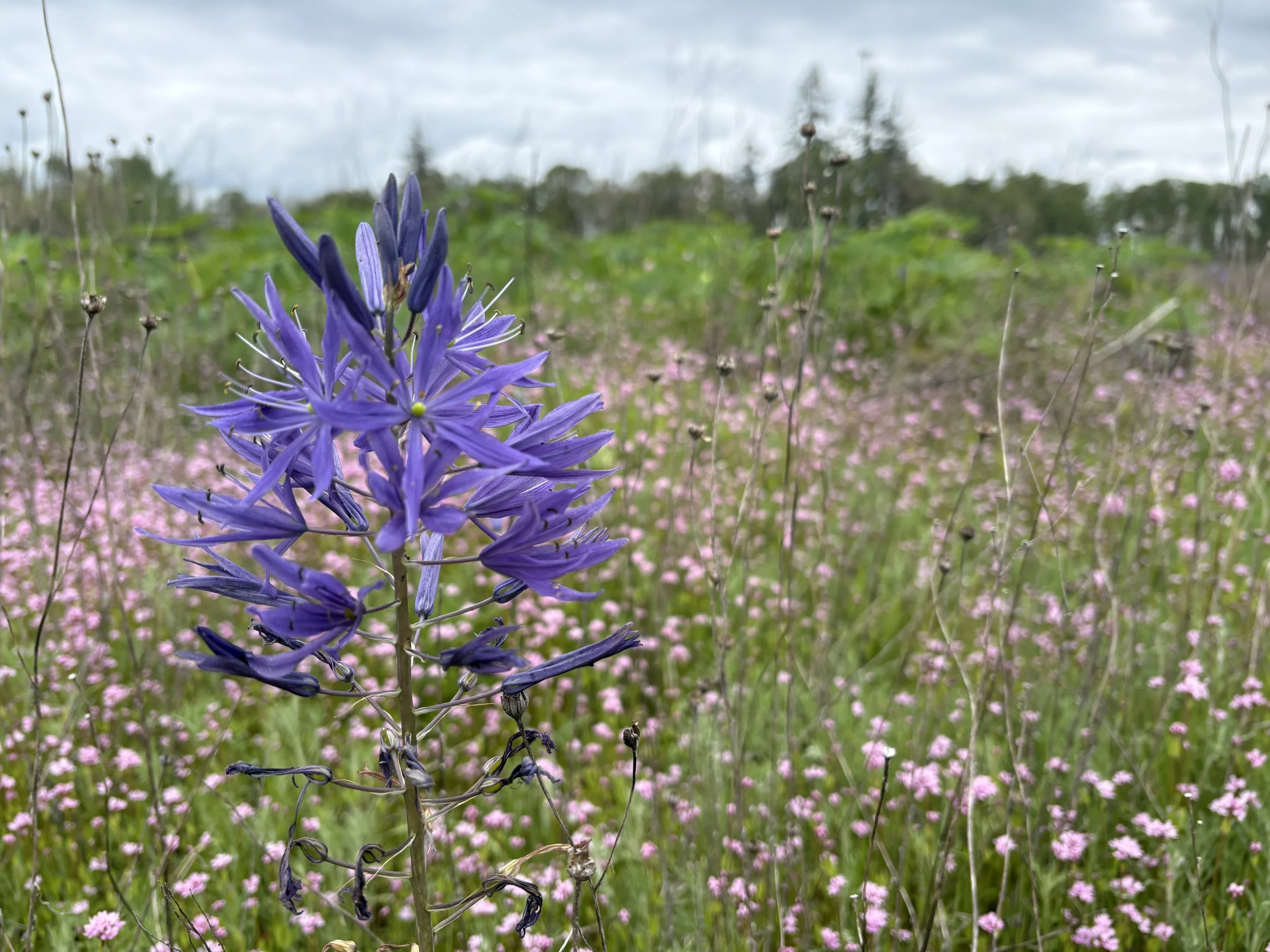
Common Camas (Camassia quamash) This amazing wildflower was a food staple for native people in the valley for millennia. It arrives in early to mid April, and blooms can be found in more shaded wet areas well into June. While it is not uncommon, most typically it can be seen in open meadow/wet prairie habitat.

Oregon Saxifrage (Micranthes oregana) This sweet wildflower shos up in late April and can remain into June. Its distinct small flowers and tall stem can be found in meadow and wetland habitats.

Brodiea/Hyacinth brodiea (Tritelei hyacinthina) This gorgeous wildflower appears in June and can be seen well into July. Typically seen singularly, or in sparse groupings.
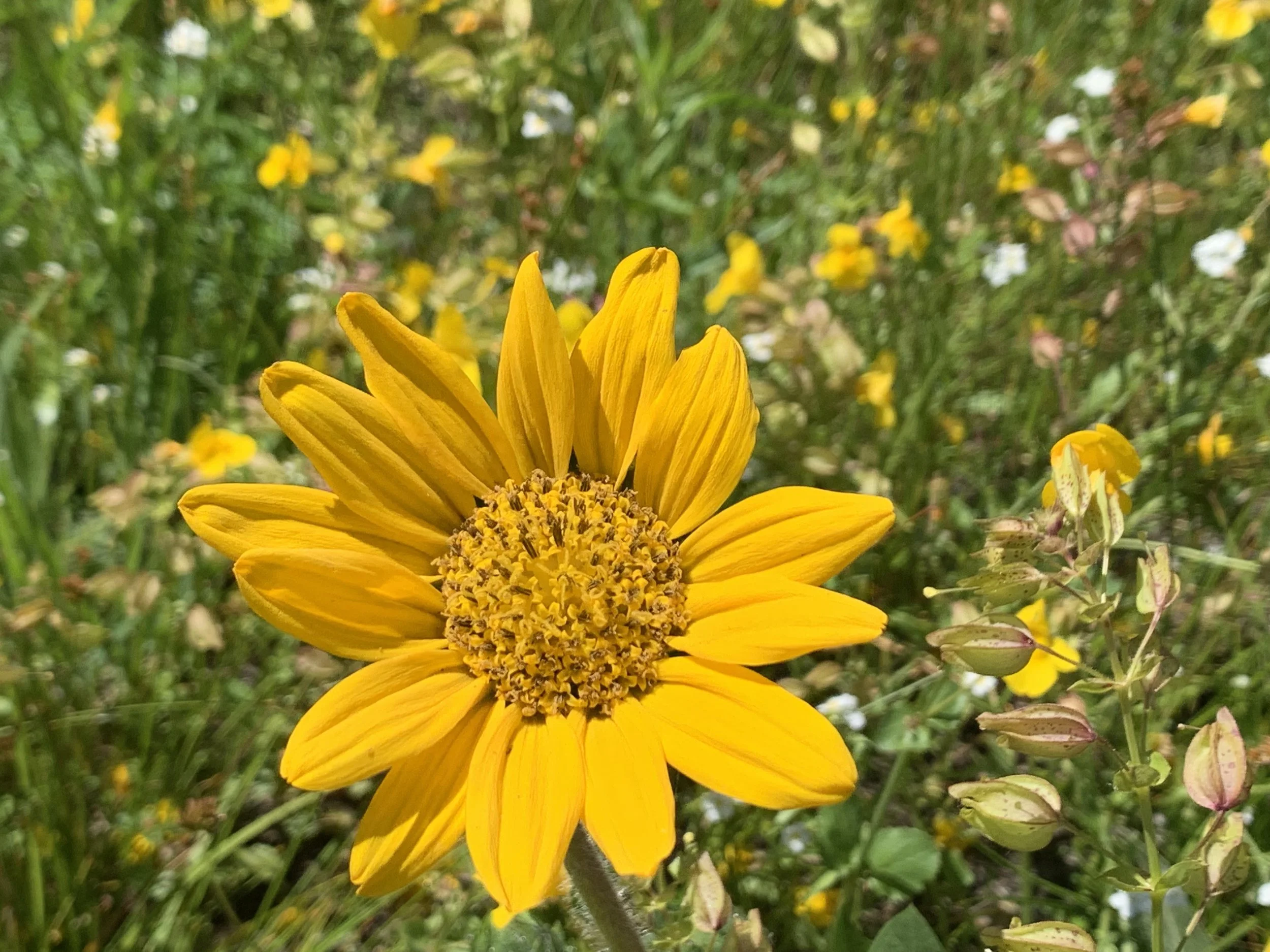
Mule ears (Wyethia) - This sweet wildflower is aften about 3-4 inches in diameter and can extend 12 inches or more upward on its stem. It is easy to identify given its size. Generally this can be seen starting in late May and through June.


Rydberg’s Penstemon (Penstemon rydbergii) This sweet wildflower can be found in meadow habita from mid June into mid July.
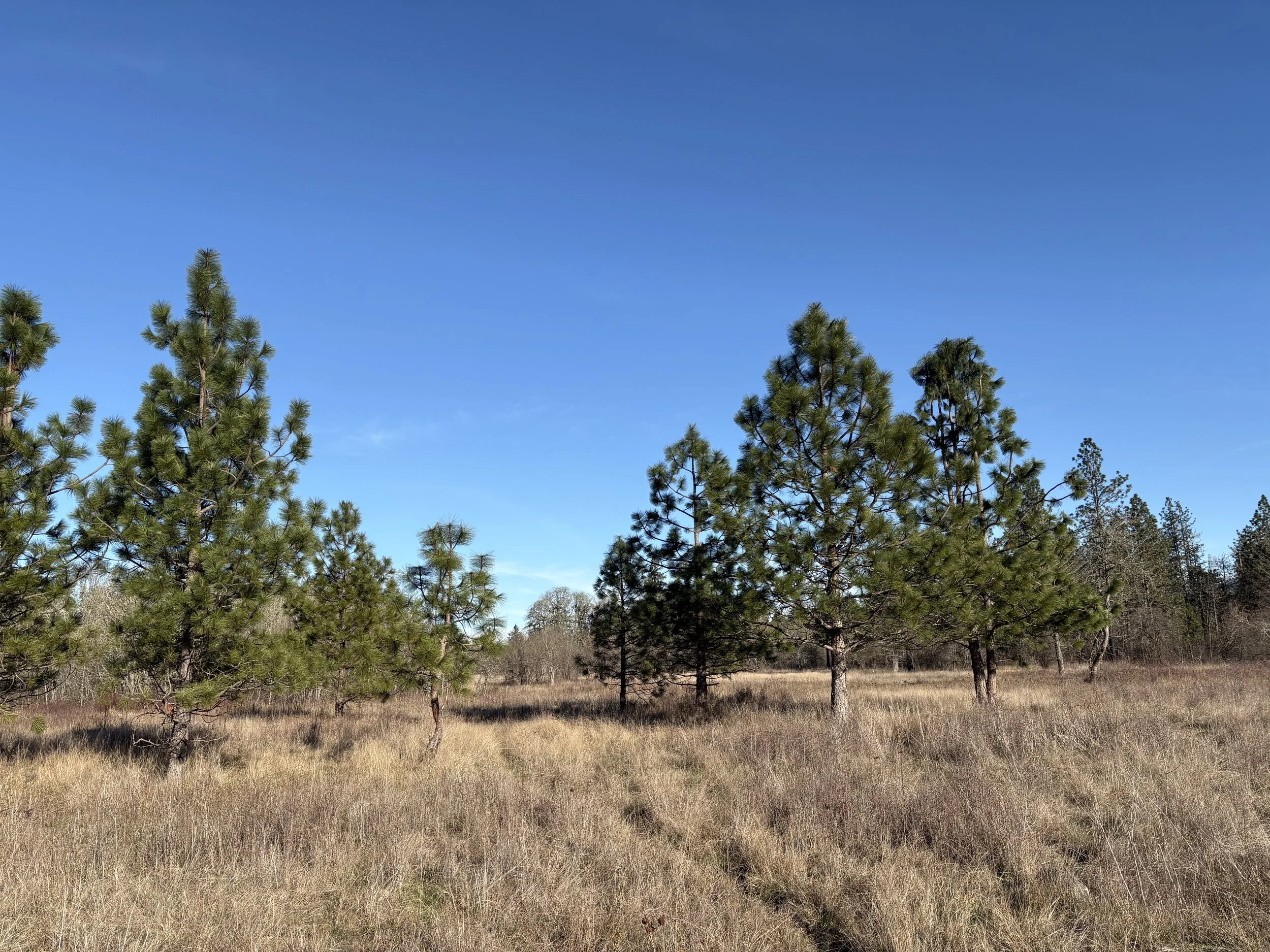
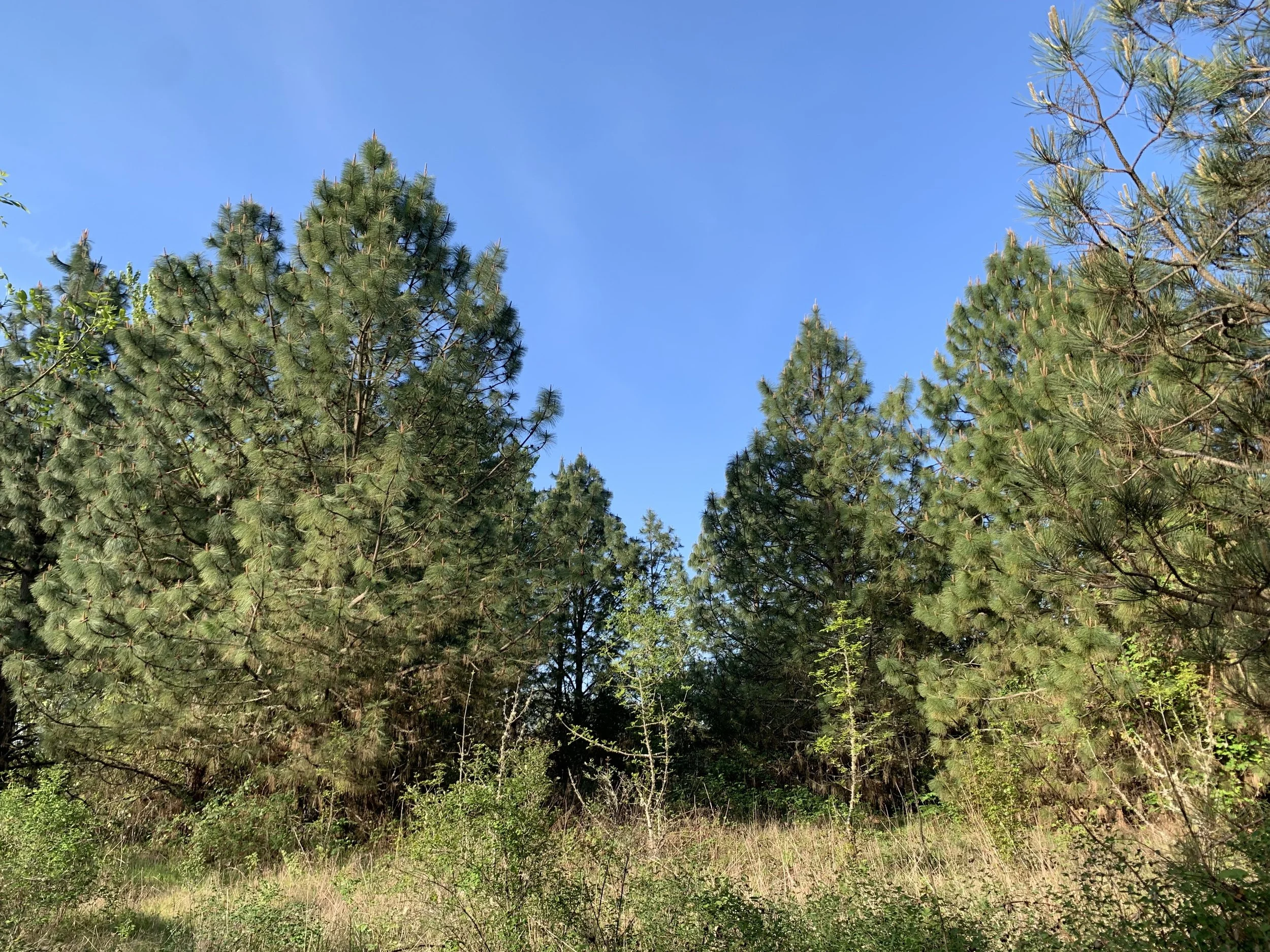
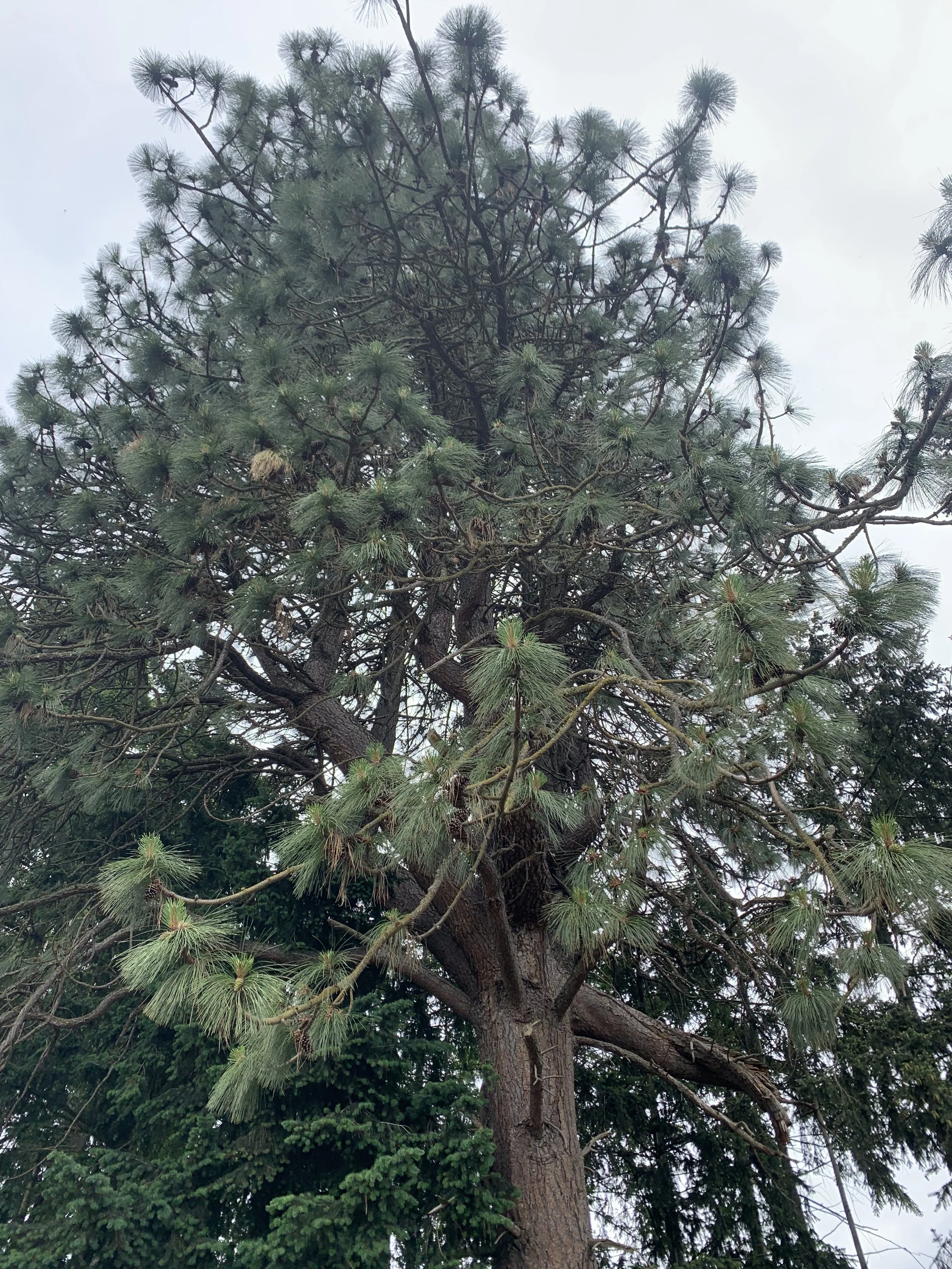
The Willamette Valley Ponderosa Pine (Pinus ponderosa var. benthamiana)
The Willamette Valley Ponderosa Pine (Pinus ponderosa var. behthamiana - sometimes referred to as var. willamettensis) is a variant of the Ponderosa pine (Pinus ponderosa) found on the east side of the Cascade Mountains. On the west side in the Willamette Basin, they are genetically distinct. These gorgeous trees can grow relatively fast, and can endure the wetter soil conditions of the Willamette valley.
These pines are thought to have existed for several thousand years in the Willamette River Basin. They have been significantly reduced over time, but over the past nearly three decades, they have been replanted by individuals and organizations who are interested in not only the variant surviving, but by increasing what they bring to healthy habitat. Once you start to identify these pines, they appear everwhere, though they are still small in number compared to their historic presence and the abundance of Douglas fir in the Willamette Basin.
The pines can grow to be over 200 ft tall, and they provide a key food source for a range of wildlife, from birds to small mammals. They also provide excellent cover for a range of other wildlife species. For example, at the Trust’s Ancient Prairie Preserve, we see elk, deer and other tracks in the dense stand of pines there.
Over the years, these pines have been planted at Mt. Prairie, and we plan to plant more over time. They are also found at our Santiam Wetland Preserve on Mt. Novitzki!